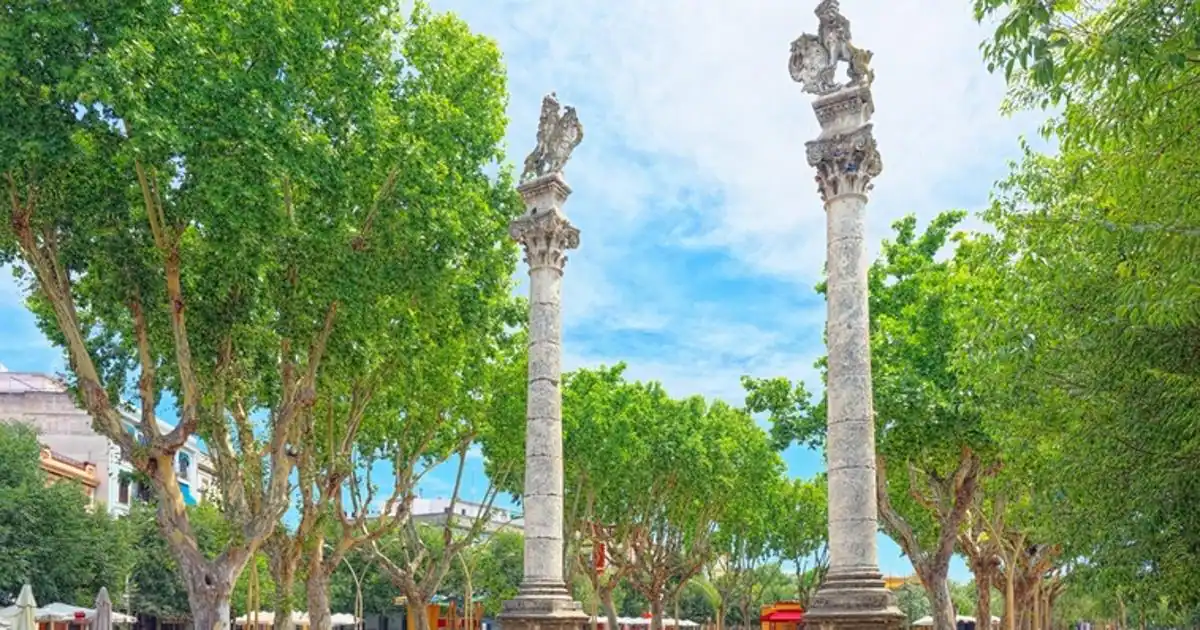
Alameda de Hércules.
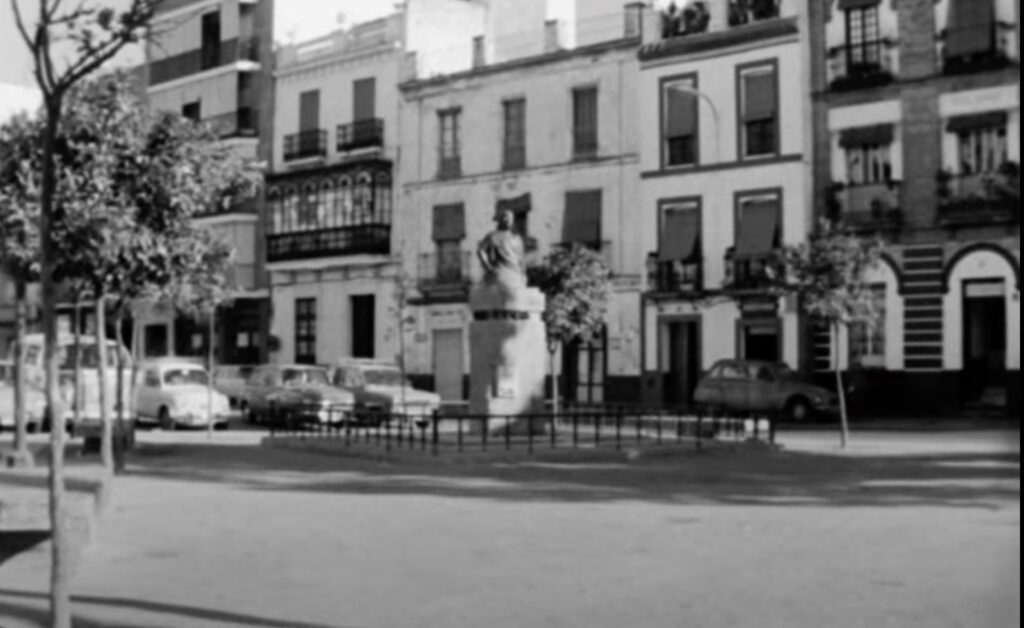
The oldest garden in Europe, although nowadays it stands out for its nightlife and the large influx of young people. This Alameda has a great legacy, it is an important public garden and Boulevard, located in the historic centre of Seville, and for its age, dating back to 1574. Built by the Count of Barajas, it is classified as the oldest public garden in Spain and Europe, of the type of promenade. It is still home to one of the most representative emblems of the neighbourhood, the well-known Casa de las Sirenas, which was actually called Casa Recreo de la Alameda. A French-style mansion, the only one of its kind in Seville. It was owned by the Marquis of Esquivel, built in 1864.
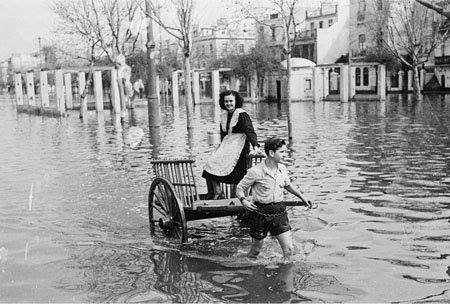
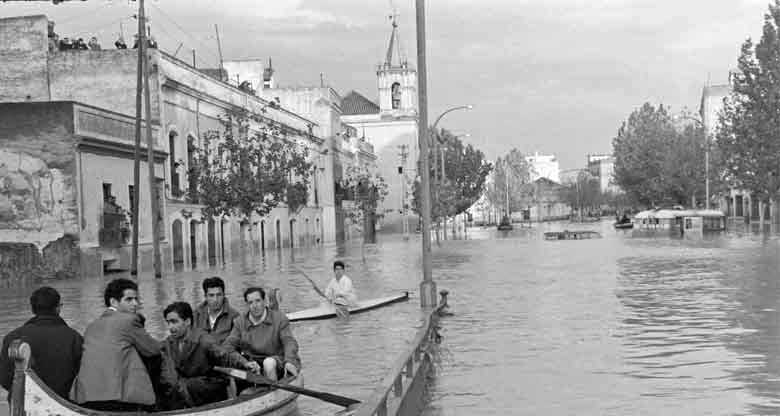
It still stands in the middle of the promenade. The Alameda is a low area where the water of the river used to accumulate when it overflowed, leaving a lagoon of stagnant water next to the primitive Roman walls. For this reason it was necessary to go by boat, and there are archive images of the last flood, which was in 1961.
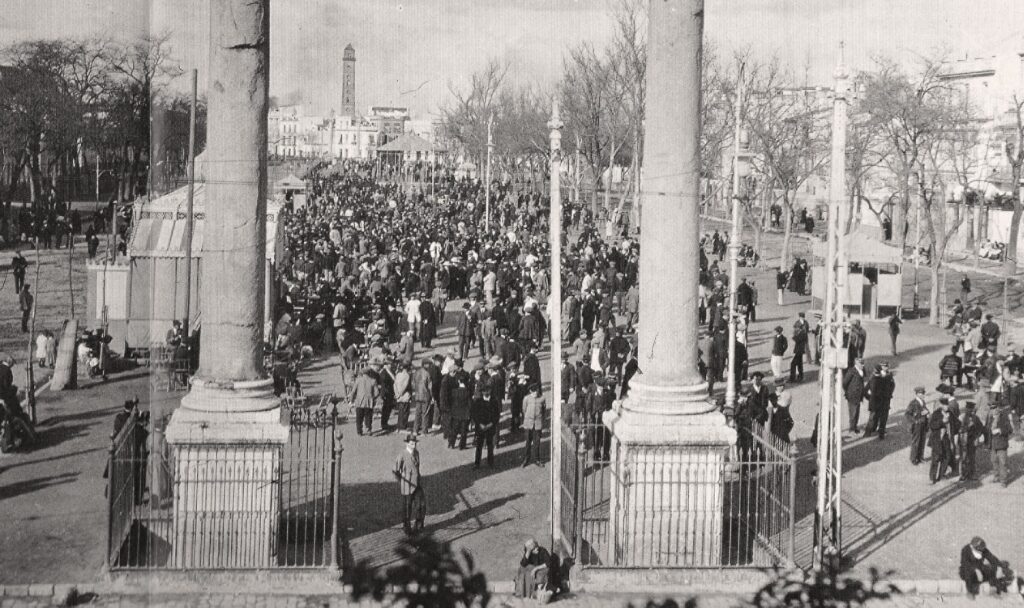
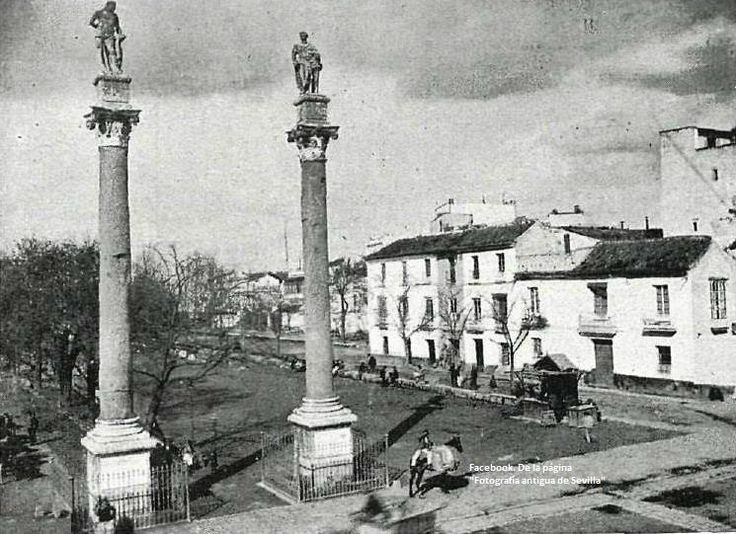
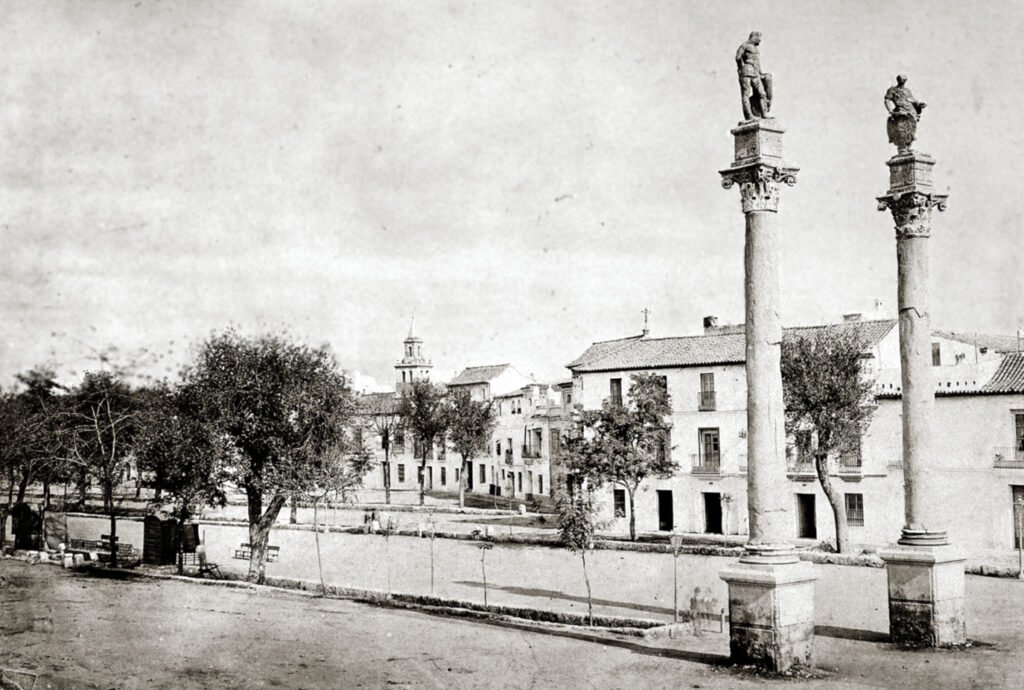
Its columns come from a Roman building of which there are still remains, located in Calle Mármoles, and where today three of them are still there, and which, it is believed, were reused and could come from Traianeum (Italica). A Roman city, where two emperors named Trajan and Hadrian were born. This Roman city is located in a village very close to Seville, in Santi Ponce, and can be visited. On the columns of this Alameda, two sculptures were placed. One of Hercules, mythical founder of the city, and Julius Caesar, restorer of Híspalis. The Alameda was an area of notable economic and social impulse with a beautiful French-style layout, full of kiosks, street markets and taverns. And where great Flamenco singers were born, such as Pastora Pavón, known as la niña de los peines (the girl of the combs), and Manolo Caracol, whose busts can be seen in bronze monuments. The Alameda de Hércules was created by a Count in 1574, who planted trees and fountains on marshy land. It is an ope en space in the centre of Seville, surrounded by poplars, from which it gets part of its name. It was the nerve centre, together with Triana, of Sevillian flamenco, where the essence of flamenco art was concentrated at the end of th1930s. Next to the Alameda were the cafés cantantes, the rooms and reserved areas, where the cantaores would gather until dawn. It was there that cante became professionalised. Many singers were forged in the Alameda and they are described in the work presented by the Seville City Council “La Alameda Sevillana Crisol del Cante Flamenco” (The Sevillian Alameda, Crucible of Flamenco Singing).
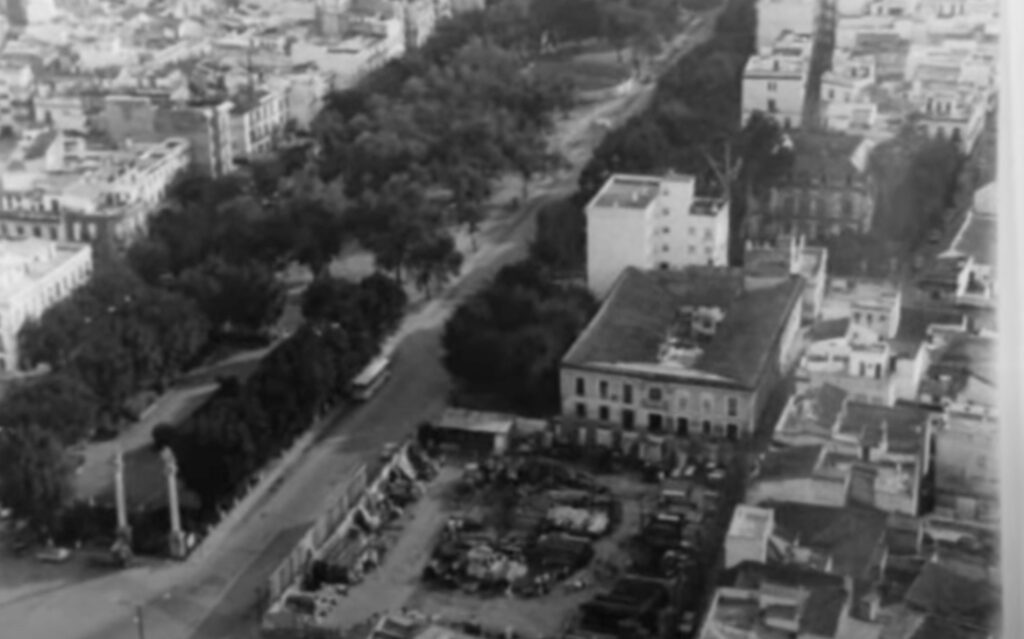
The Alameda de Hércules has also been, together with Triana, the cradle of flamenco in Seville.
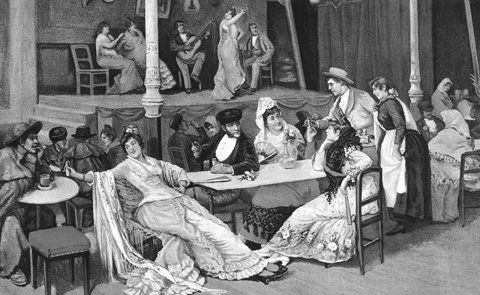
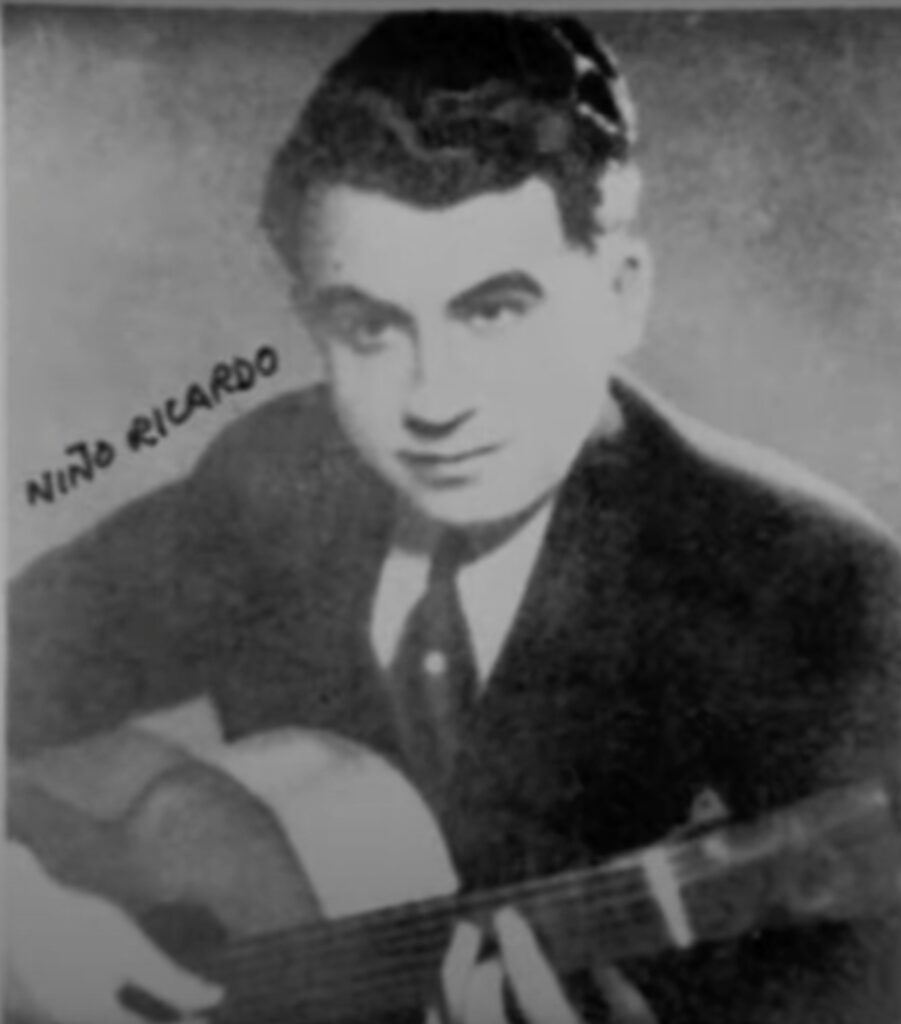
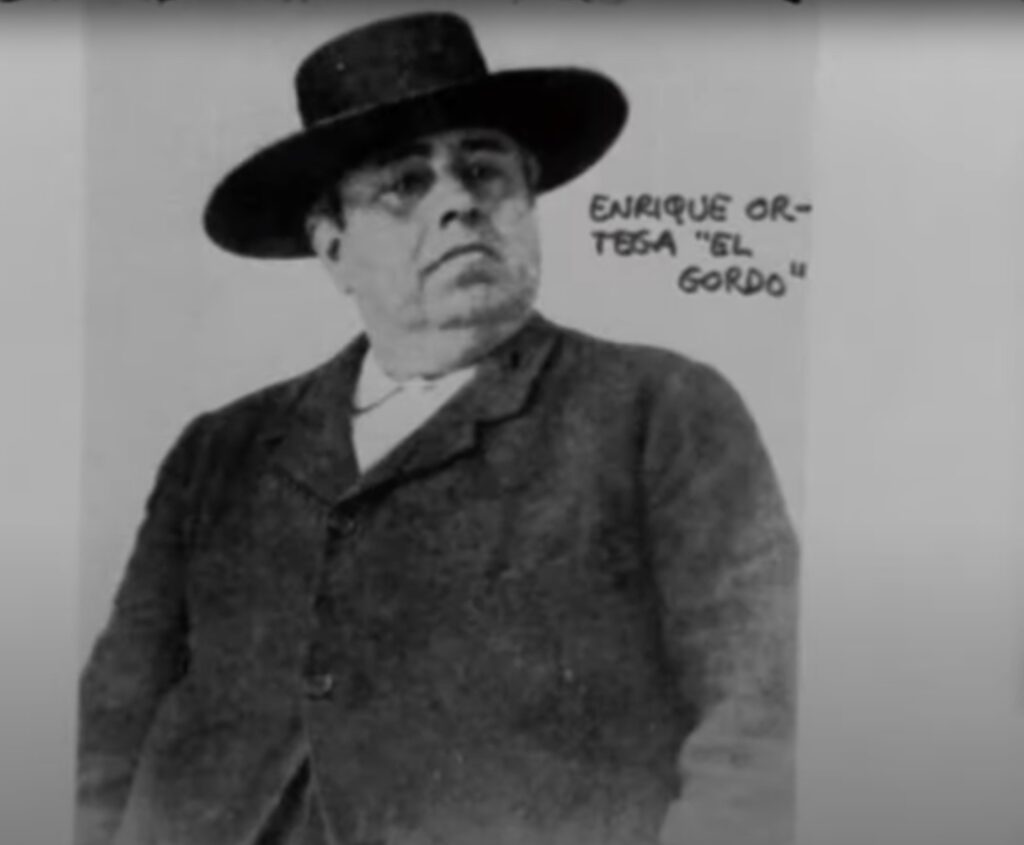
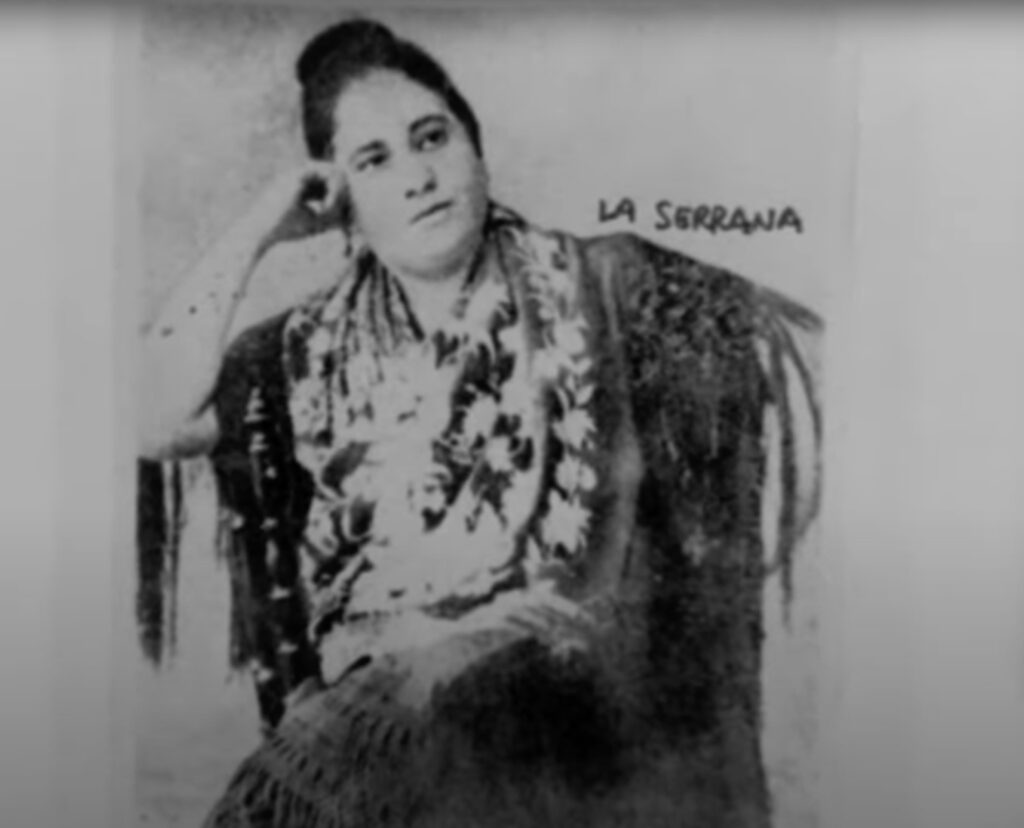
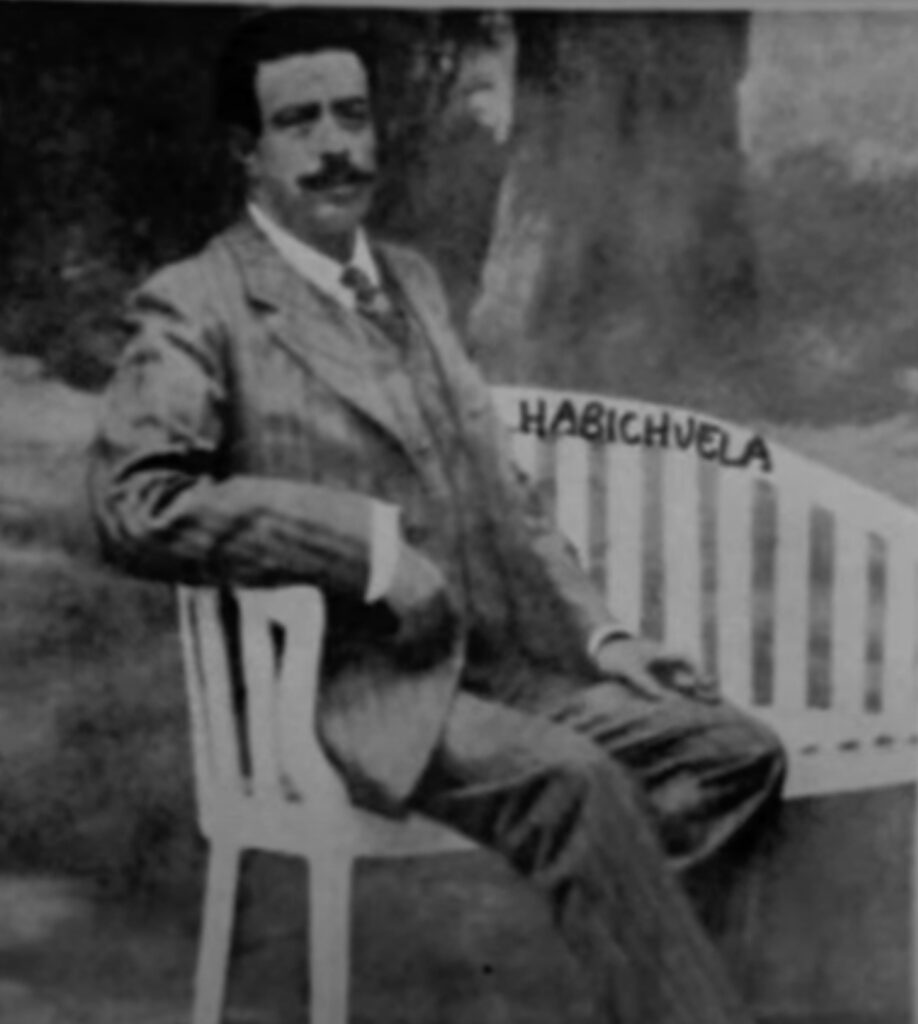
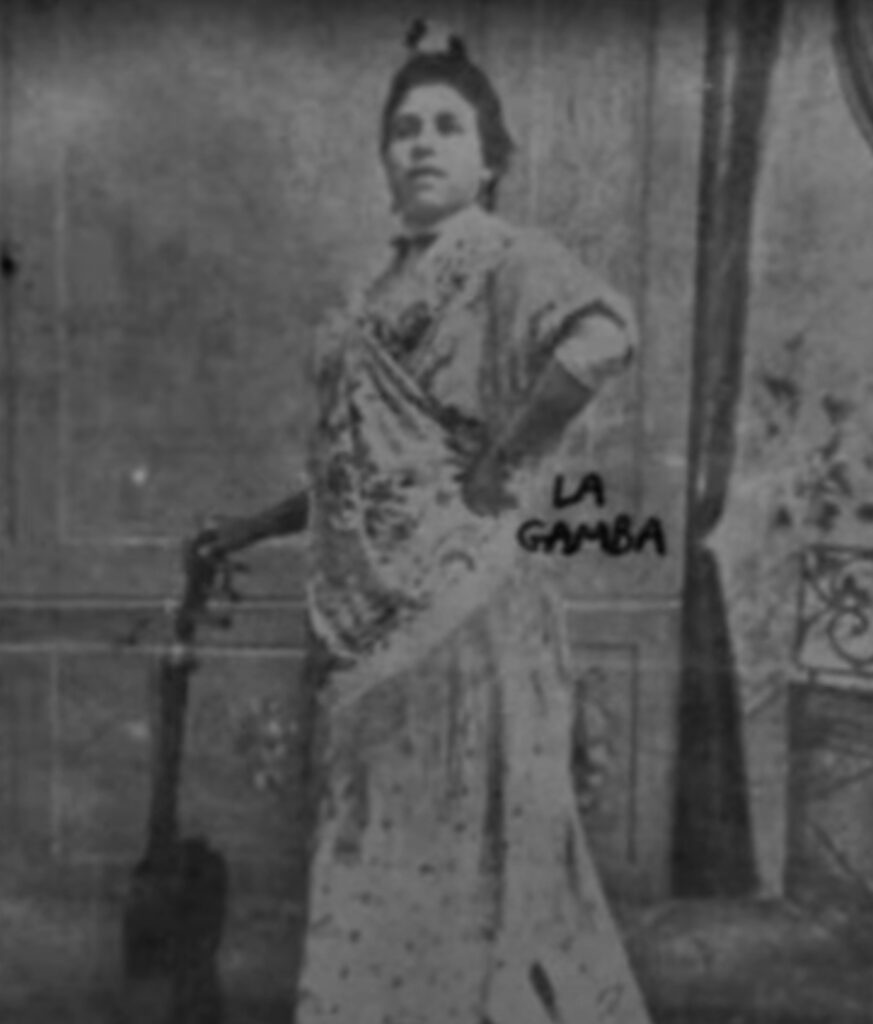
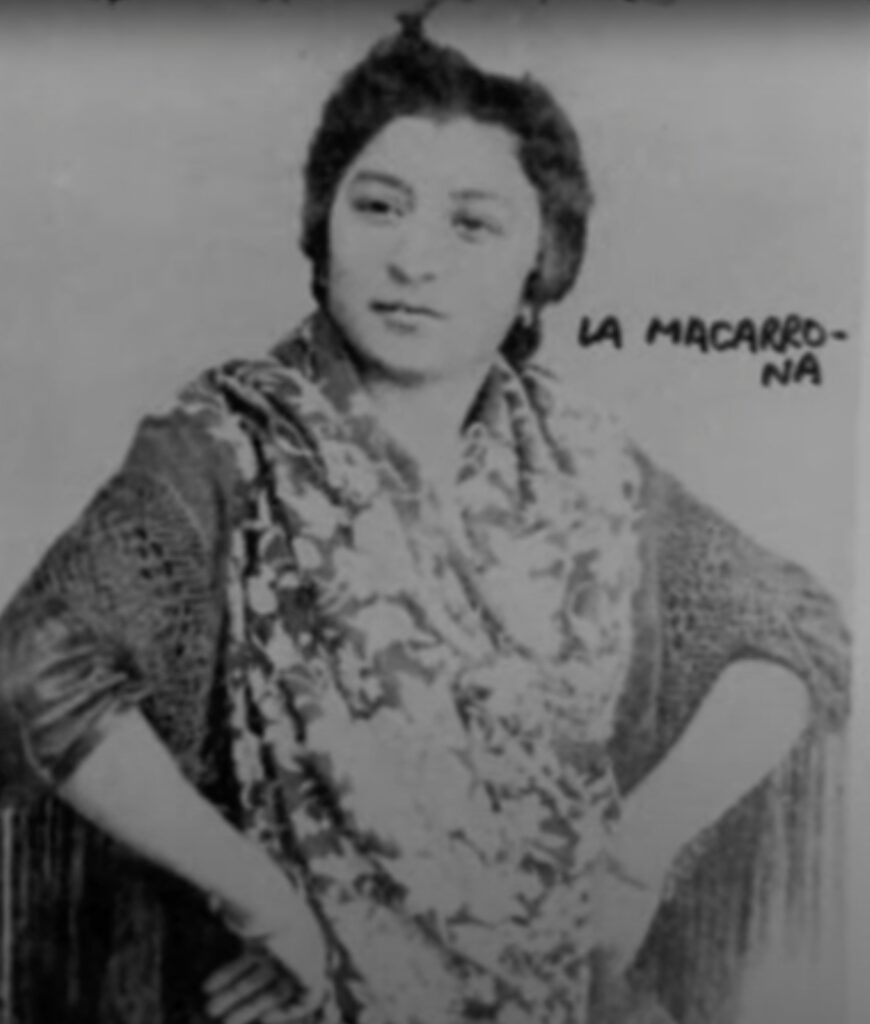
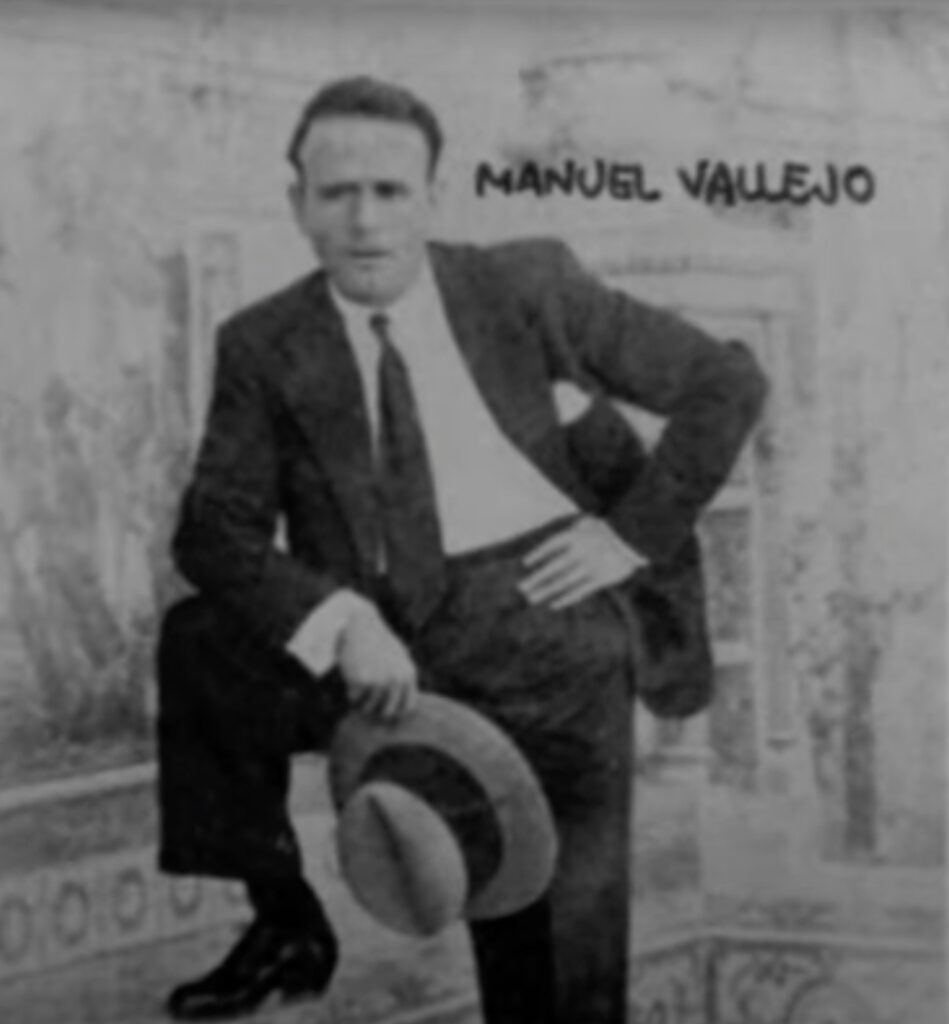
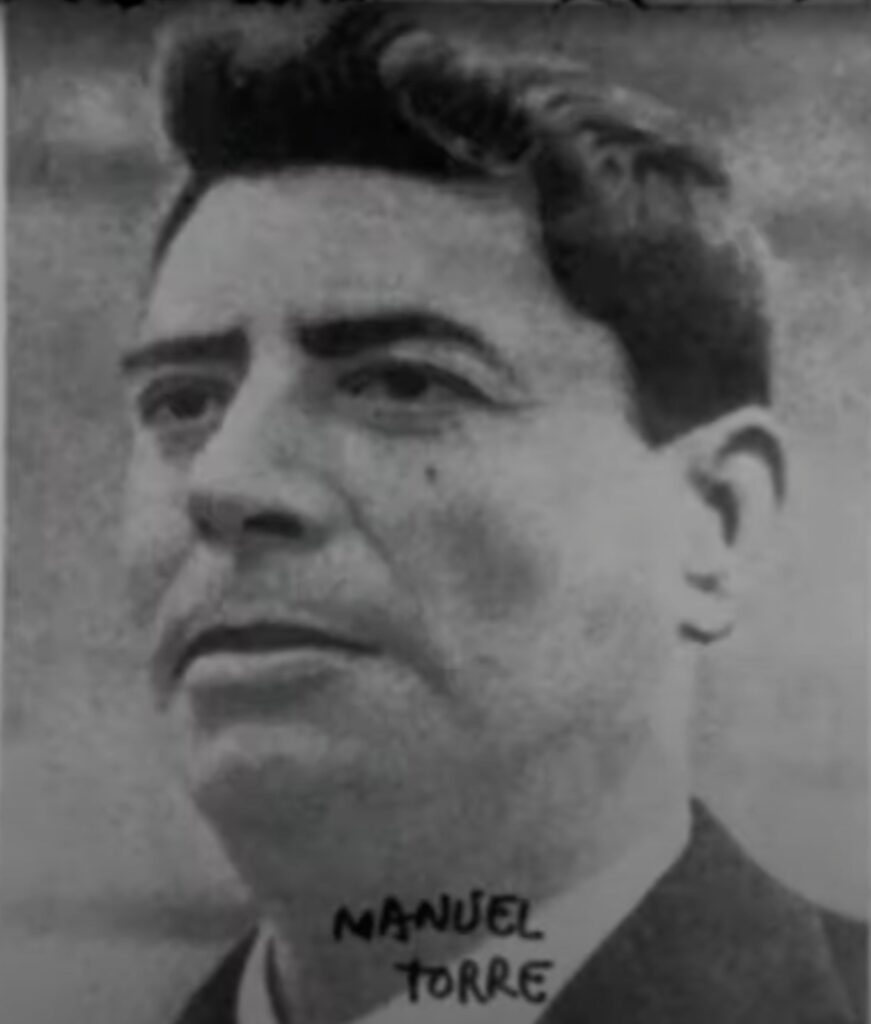
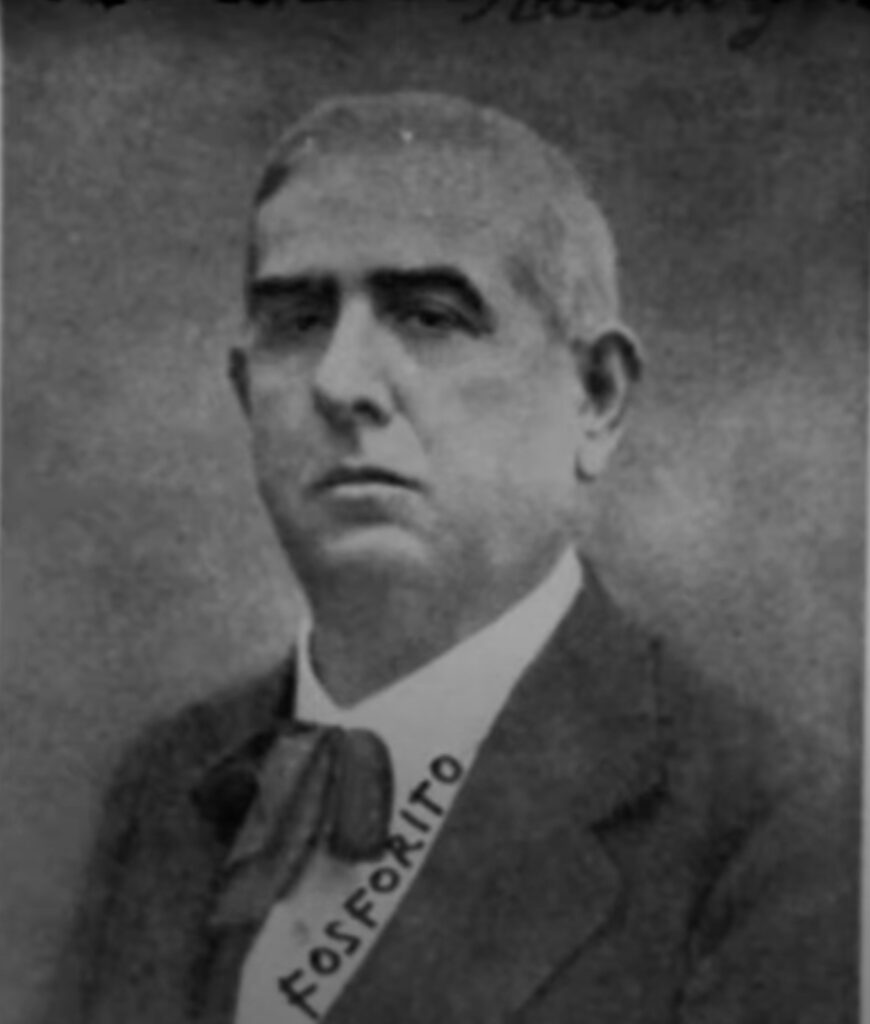
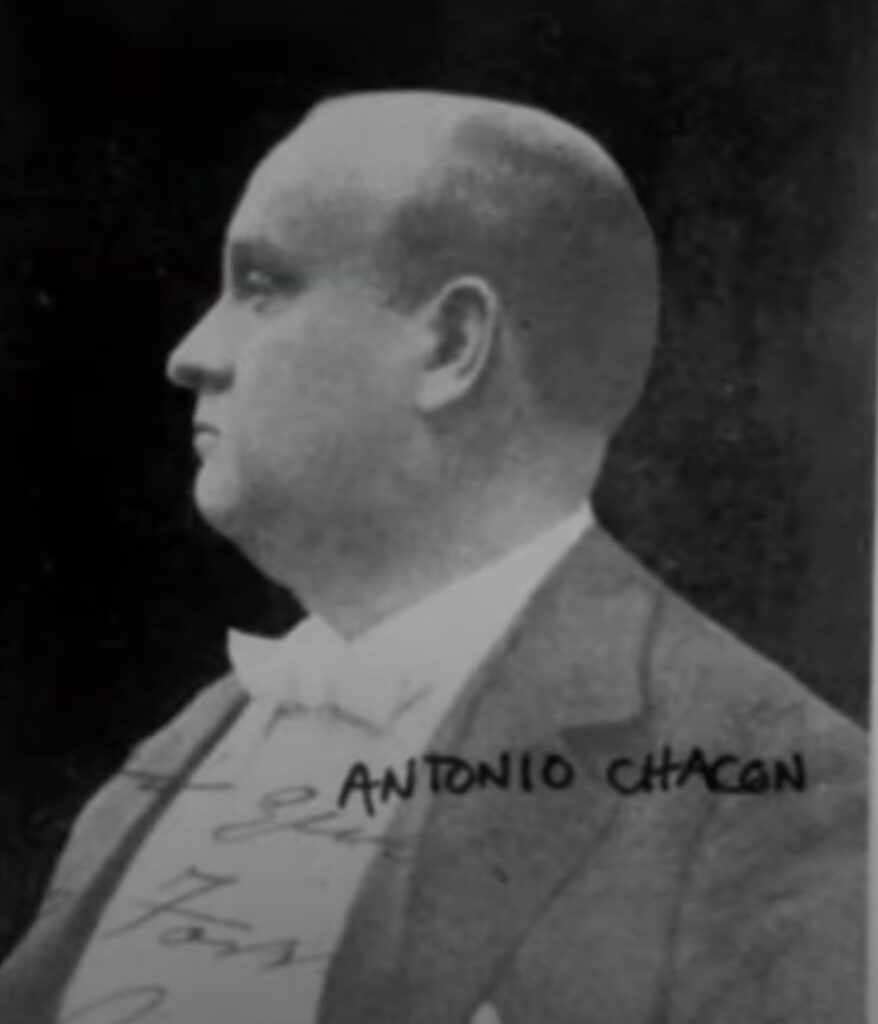
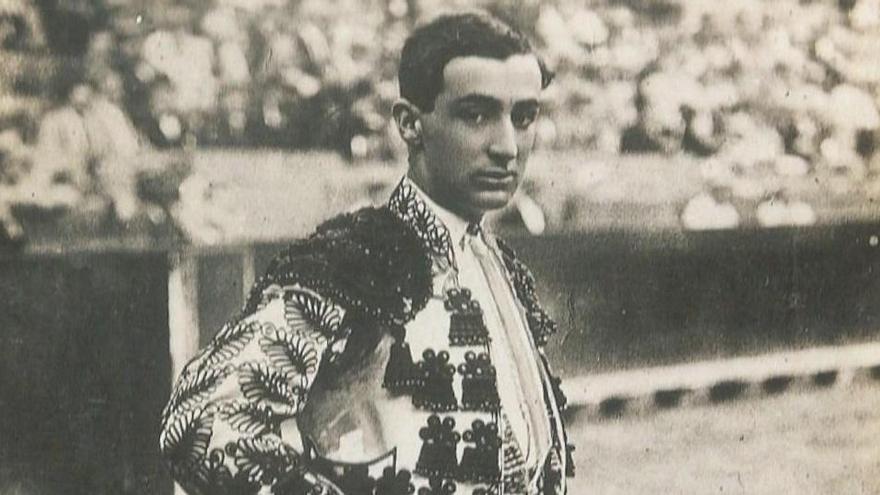
The Cafés Cantantes were places that opened at night, where spectators drank drinks while enjoying a musical show. According to the memoirs of the cantaor Fernando de Triana, in 1842 there was already a café cantante, which reopened five years later and was called “Los Lombardos” (after Verdi’s opera). The Alameda was a place for singing and dancing, where the Sevillian gentlemen went to enjoy the so called “juergas flamencas” (flameco spree) in the famous “Café Cantantes”, from where what we know today as “flamenco show” was born, was born in this way. It was the great Silverio Franconetti and the legendary Pastora Imperio who were the pioneers in offering this “Arte Mayor” as a show in bars and tablaos. In Silverio Franconetti’s café cantante, there was a very competitive atmosphere between the different cantaores, as Silverio himself challenged the best ones in public. These venues became so fashionable that the figure of the professional cantaor emerged, and served as a melting pot for flamenco creation. However, despite the success of the singing cafés, a sector of the genre maintained the singing of the old minorities: “los Gordos de Alcalá”, Joaquín “el de la Paula”, and “Agujetas el Viejo”. Those who triumphed in this period on stages all over the country were great artists such as “Las Coquineras”, don Antonio Chacón, “La Macarrona”, Francisco Lema, “Fosforito el Viejo”, “el Perote”, “El Macaca”, “el Mochuelo”, “El Diana”, “El Canario”, Cayetano Muriel “el Niño de Cabra”, “el Garrido de Jerez”, or “La Rubia de las Perlas”, among others. In the Roaring Twenties, an incomparable generation took over the baton of flamenco. Names such as Pastora Pavón Cruz, “La Niña de los Peines”, Tomás and Arturo Pavón, Manuel Vallejo, “El Gloria”, Manuel Torre, Juanito Mojama, “El Niño Escacena”, Bernardo “el de los Lobitos”, Manuel Centeno, Pepe el de la Matrona, Juan Varea, “El Cojo de Málaga”, “El Niño de Marchena”, Sebastián “el Pena”, Manolo Caracol, Tío Gregorio “el Borrico”, Tía Anica “la Piriñaca”, and Juan Talega.
Singing venues in the Alameda de Hércules:
Casa Morillo, La Sacristía, Casa Bautista, Las Siete Puertas and Los Majarones, these were the flamenco singing venues of the nightlife of the Alameda in the 1930’s. The Alameda de Hércules and Triana brought together all the singing of Seville. Cantaores del Zurraque de Triana, who taught the songs of “La Andonda” and “Ramón el Ollero” to many artists of that time. One of the lucky ones was the cantaor “Pies de Plomo”.
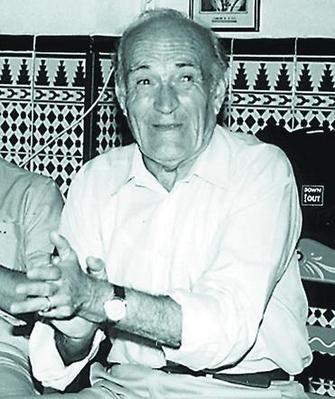
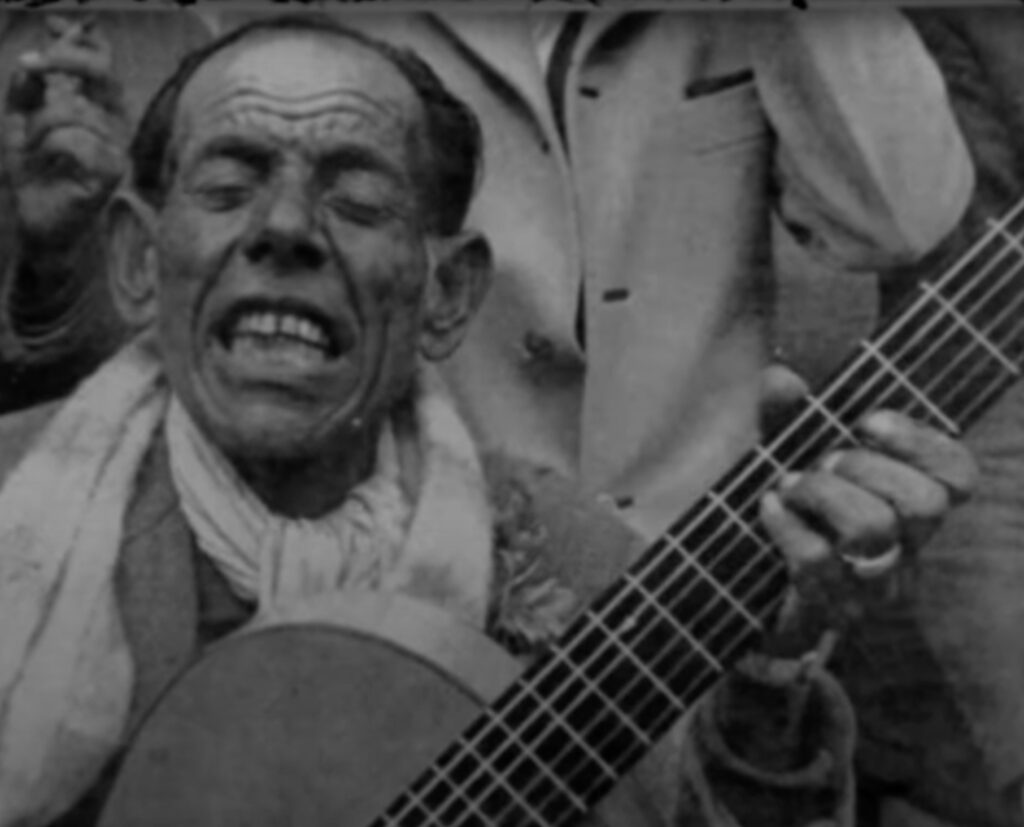
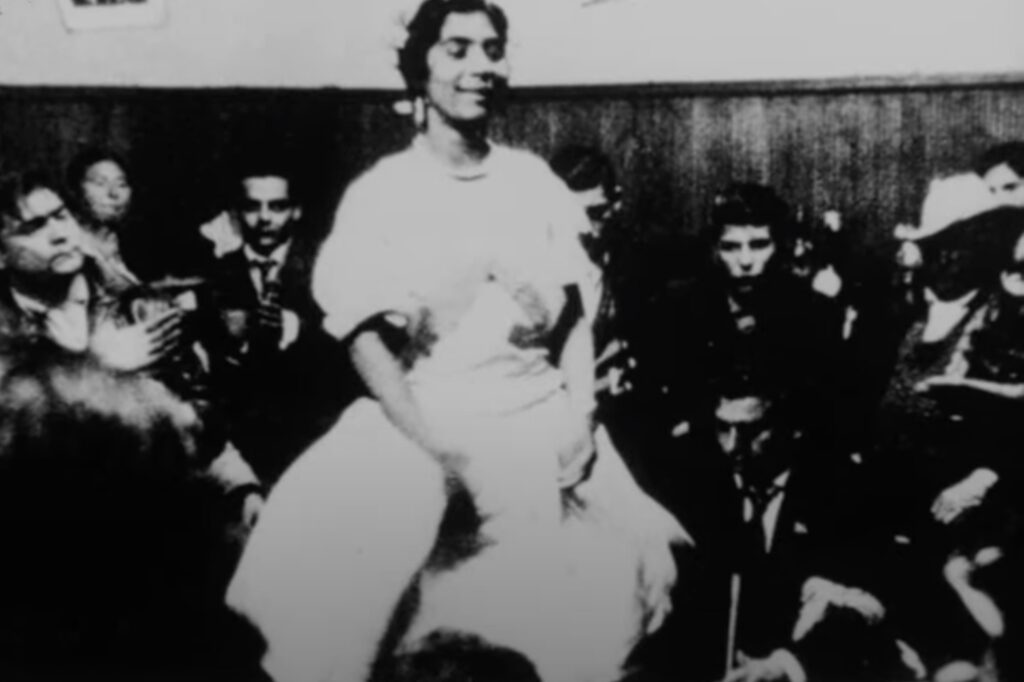
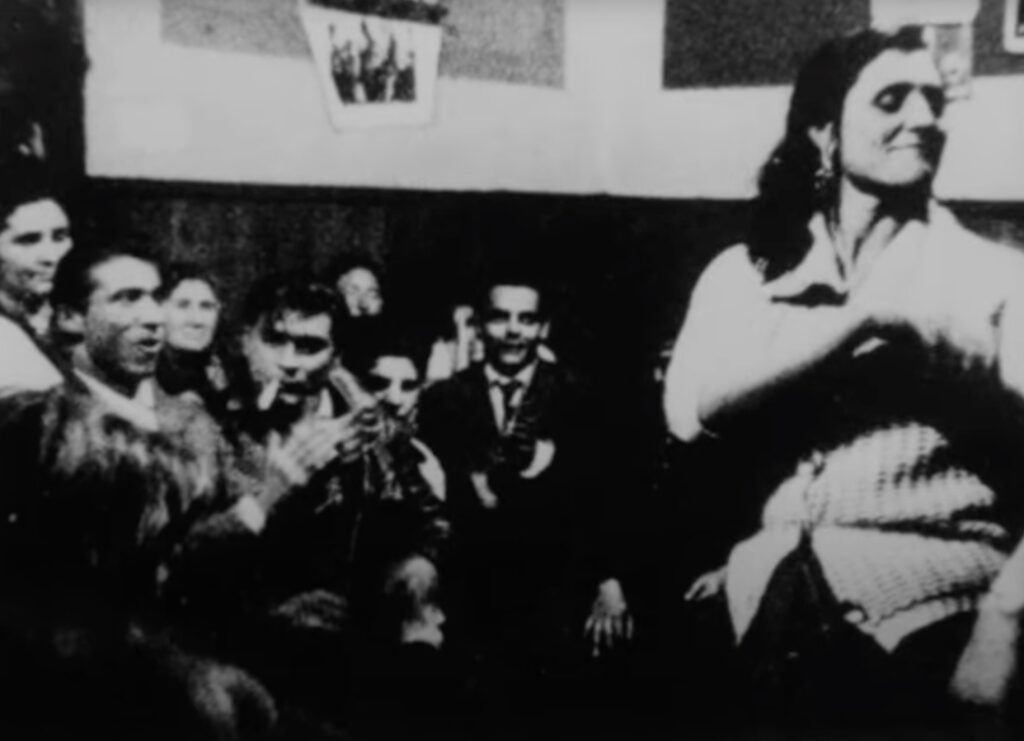
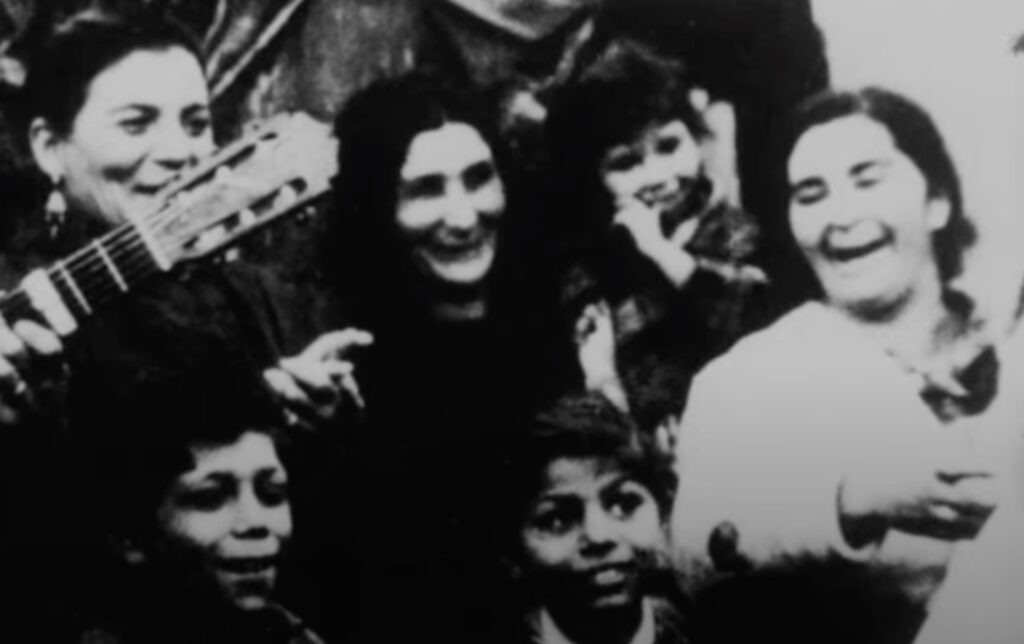
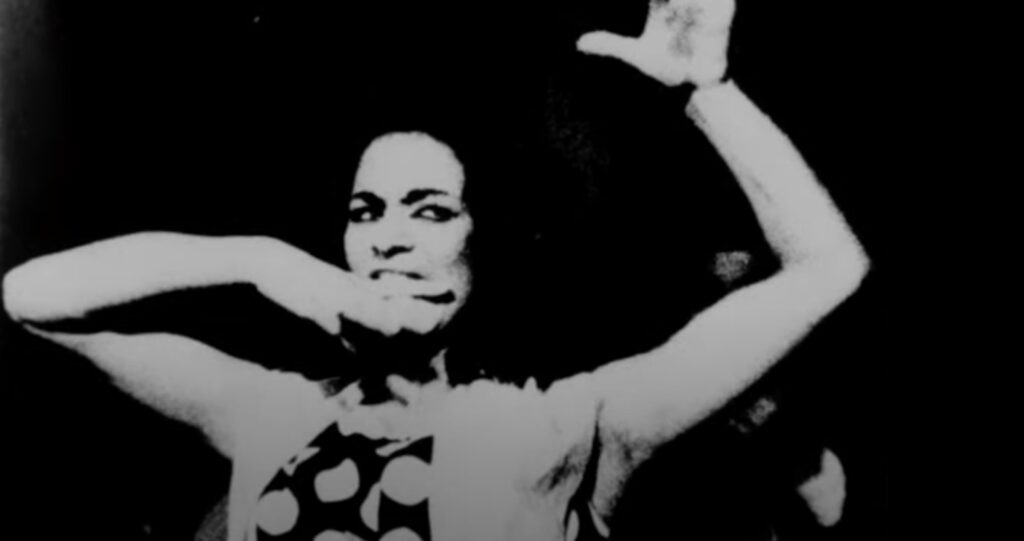
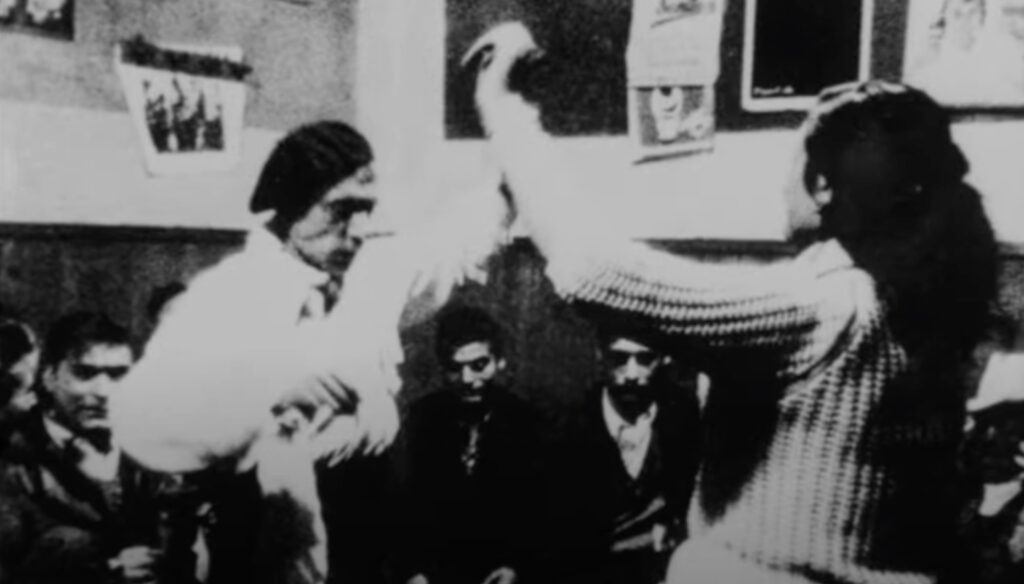

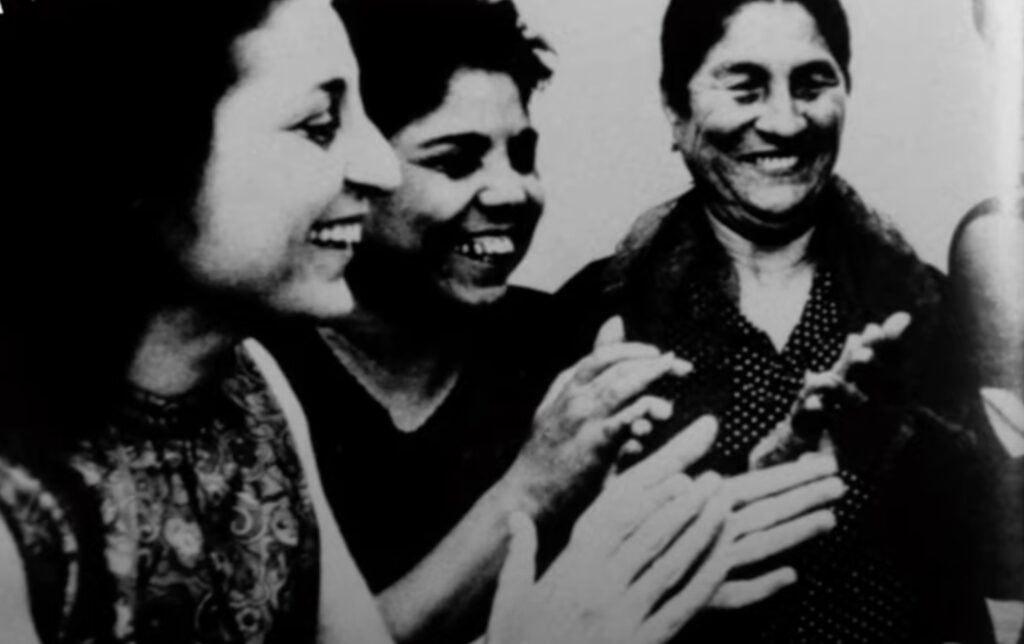
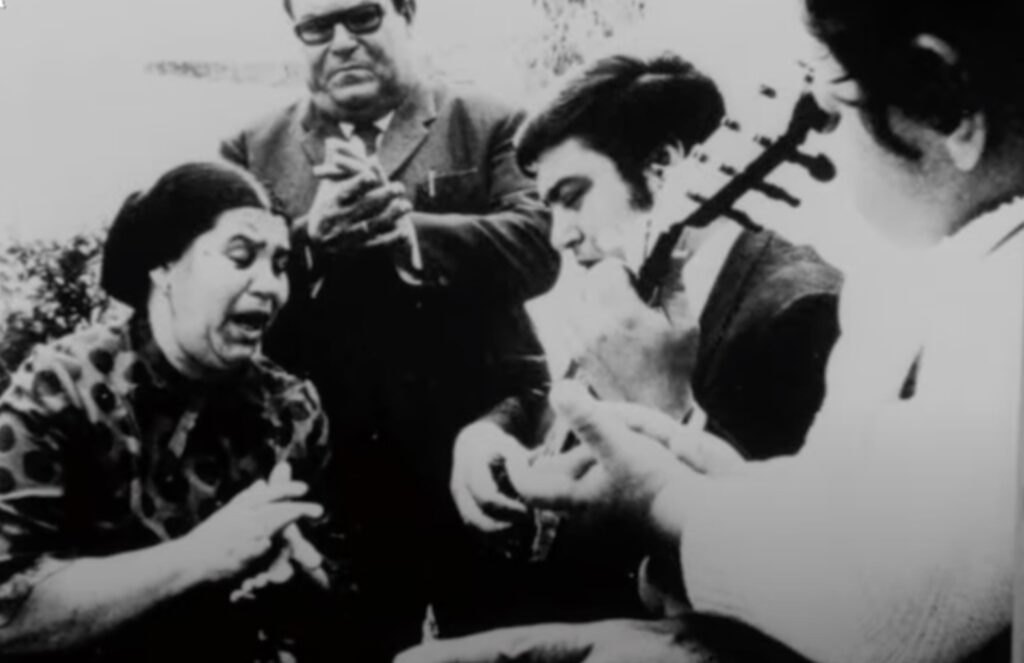
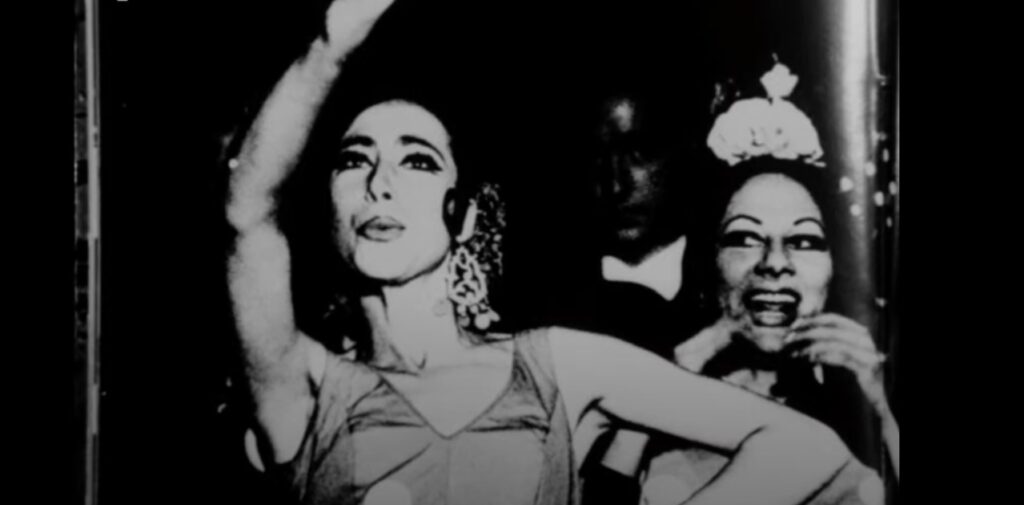

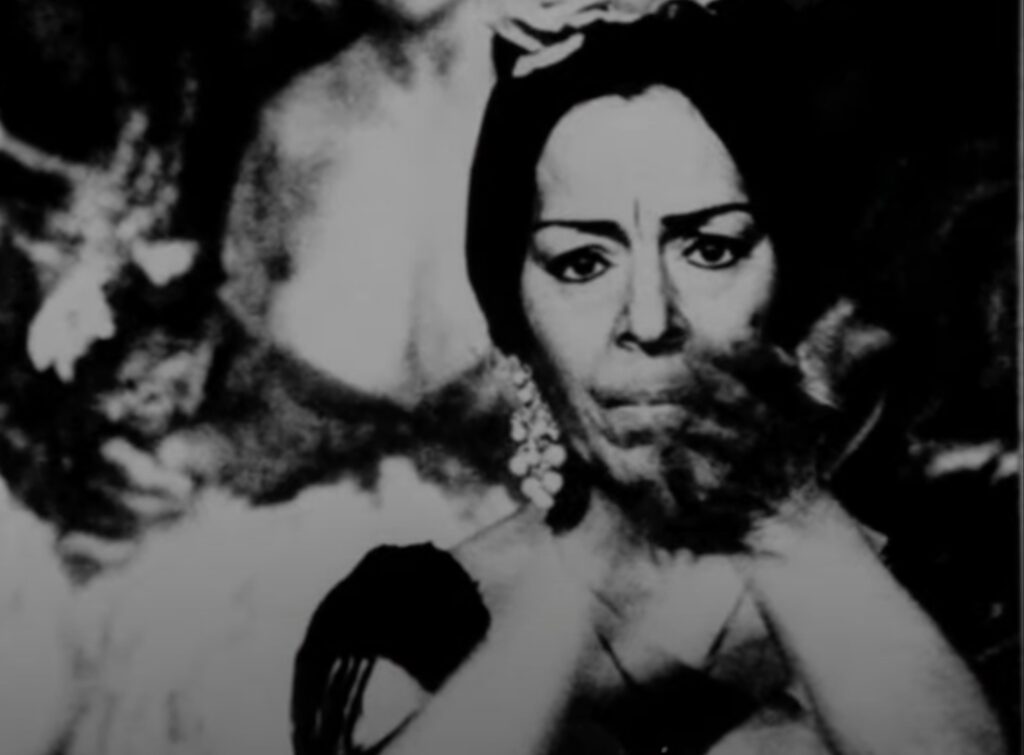
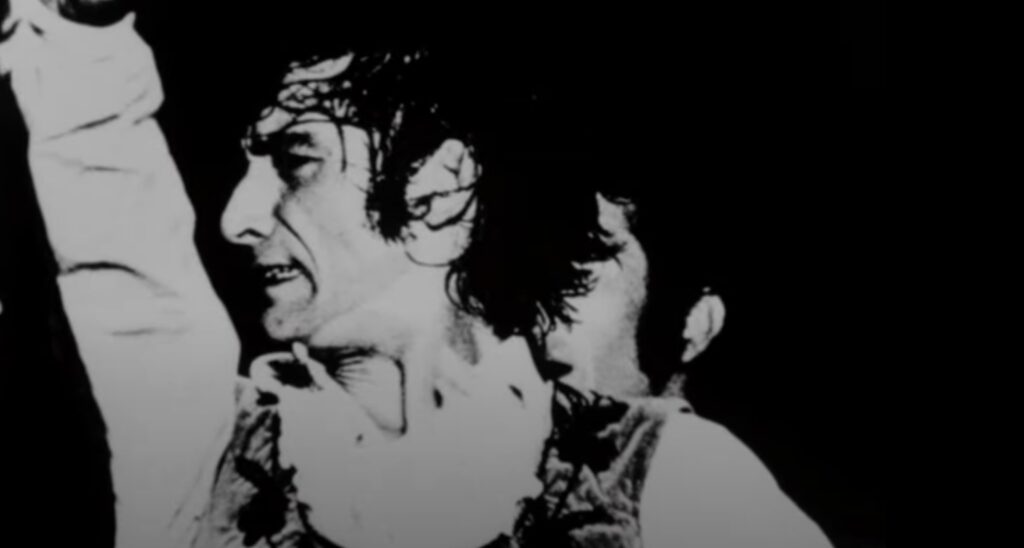

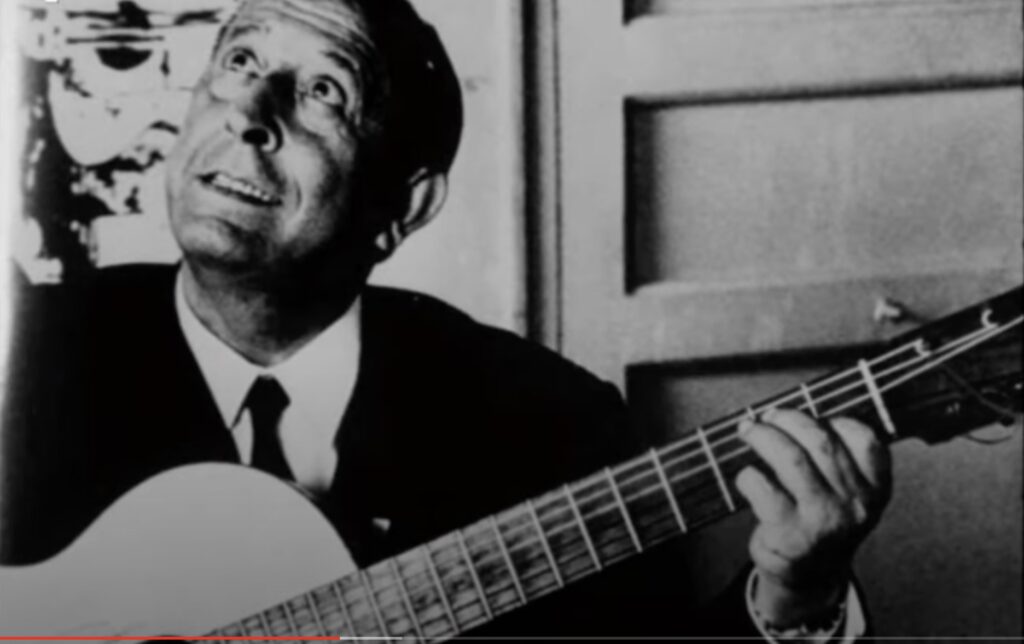

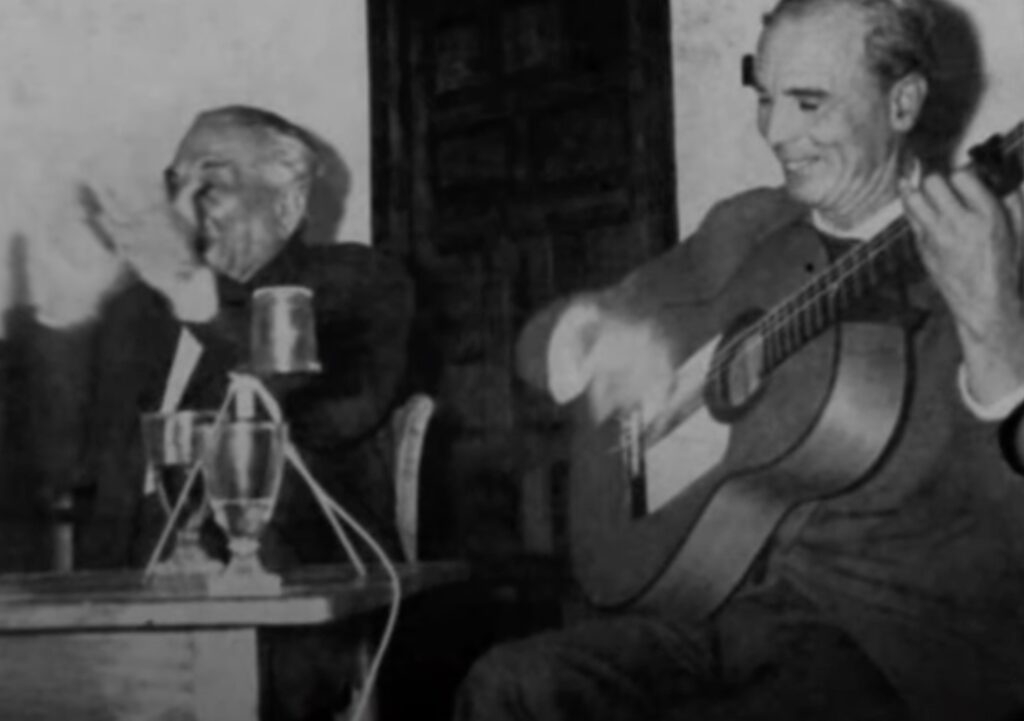
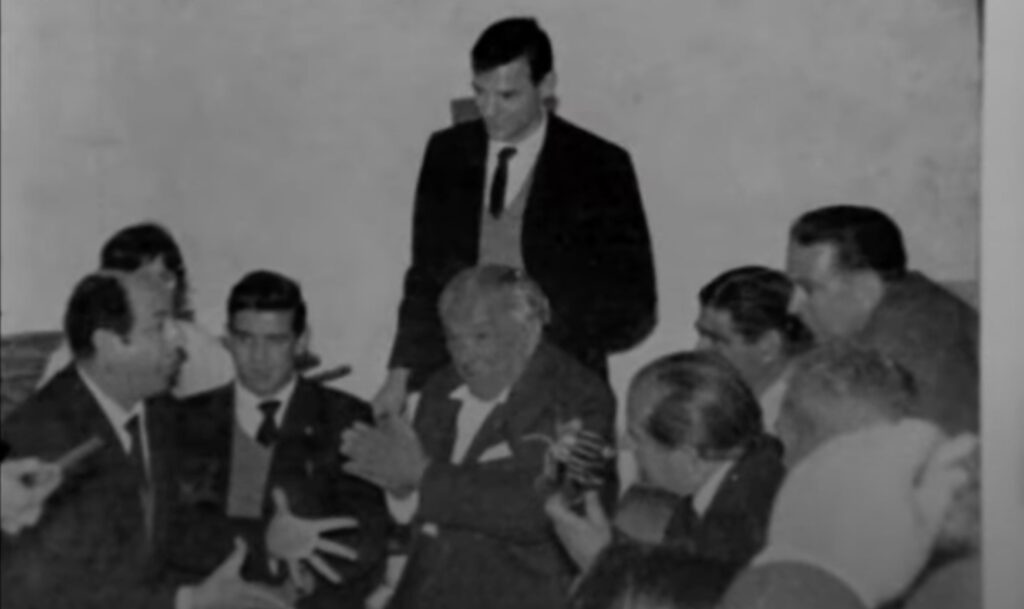
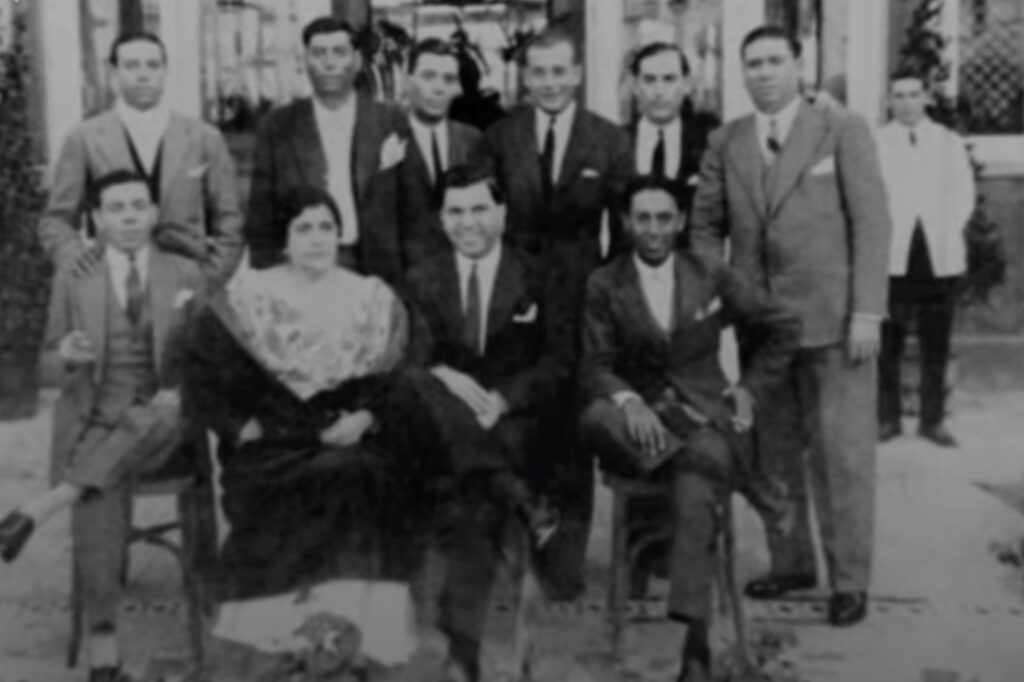

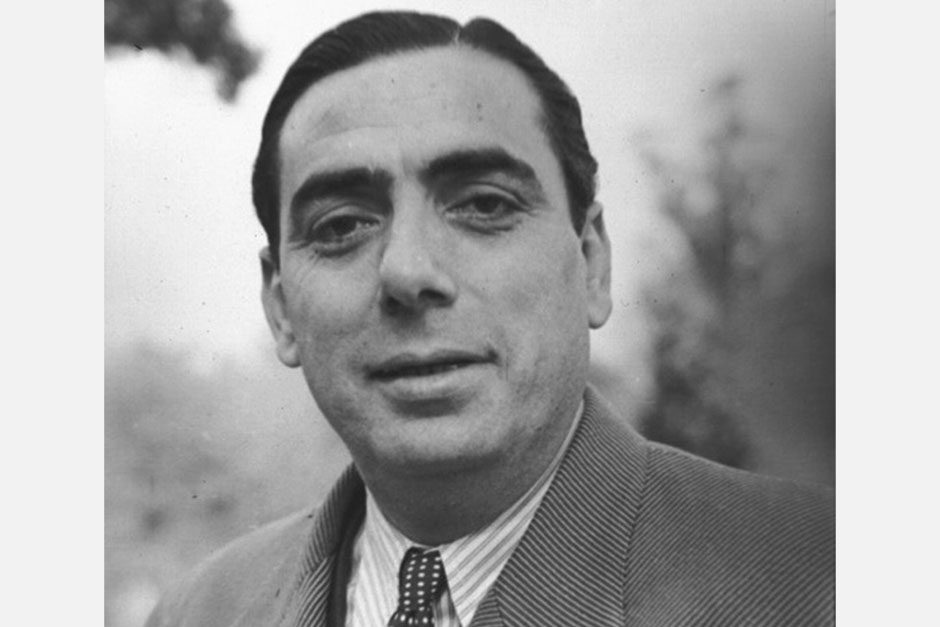
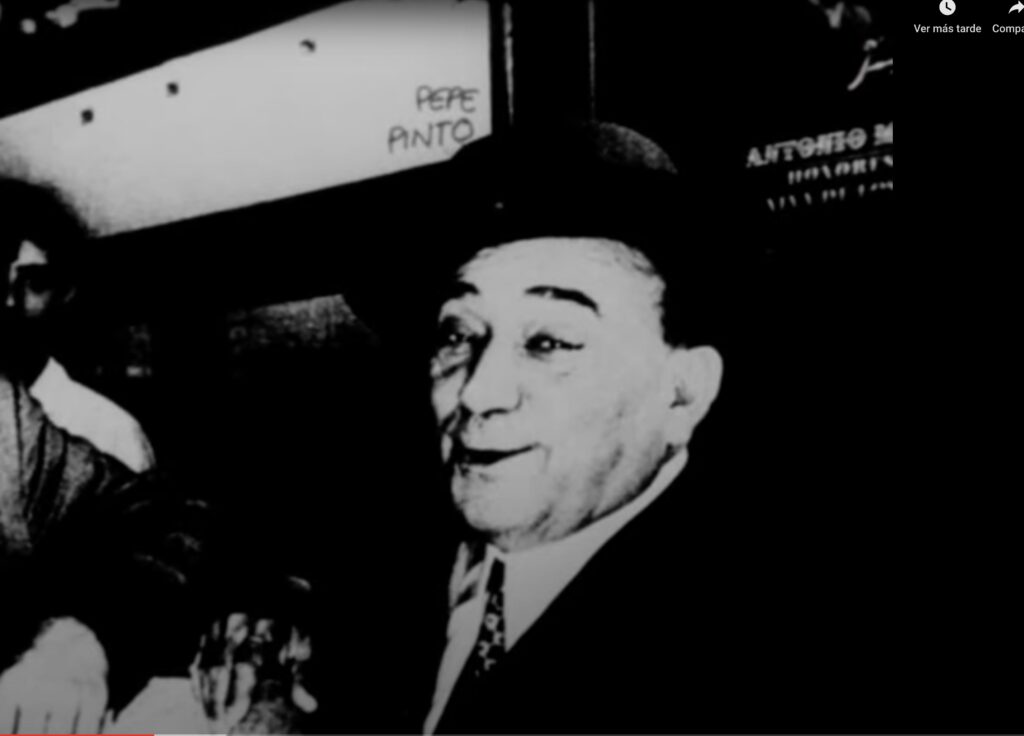

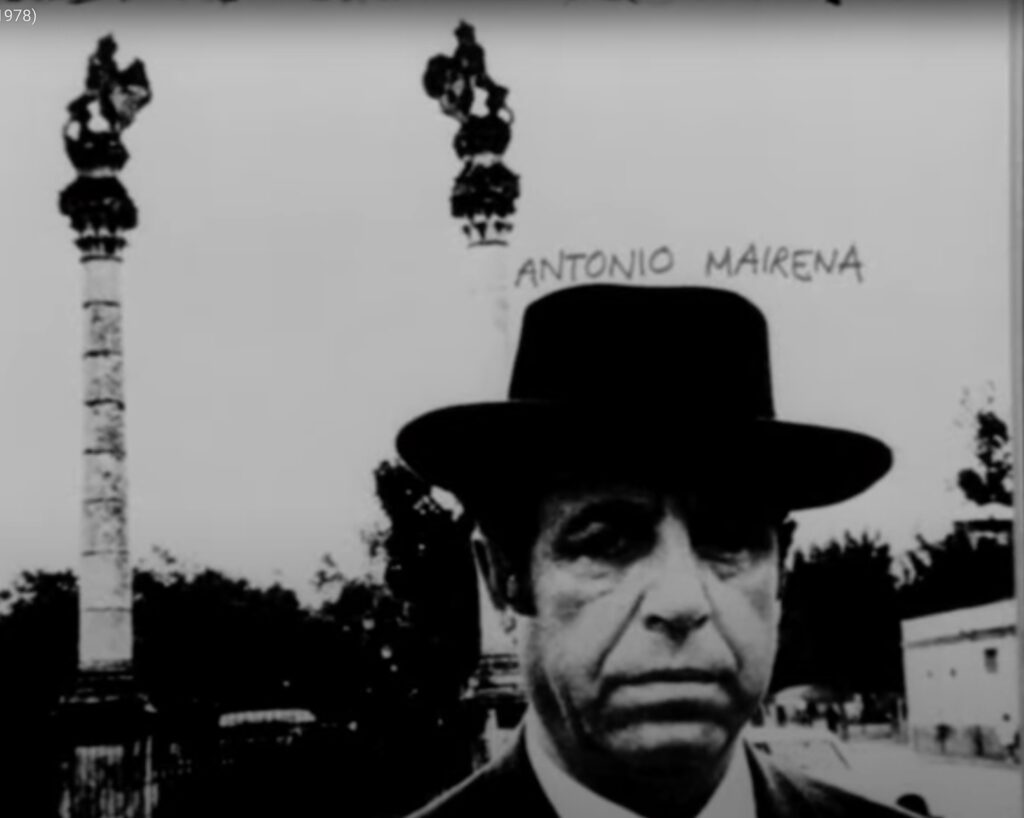



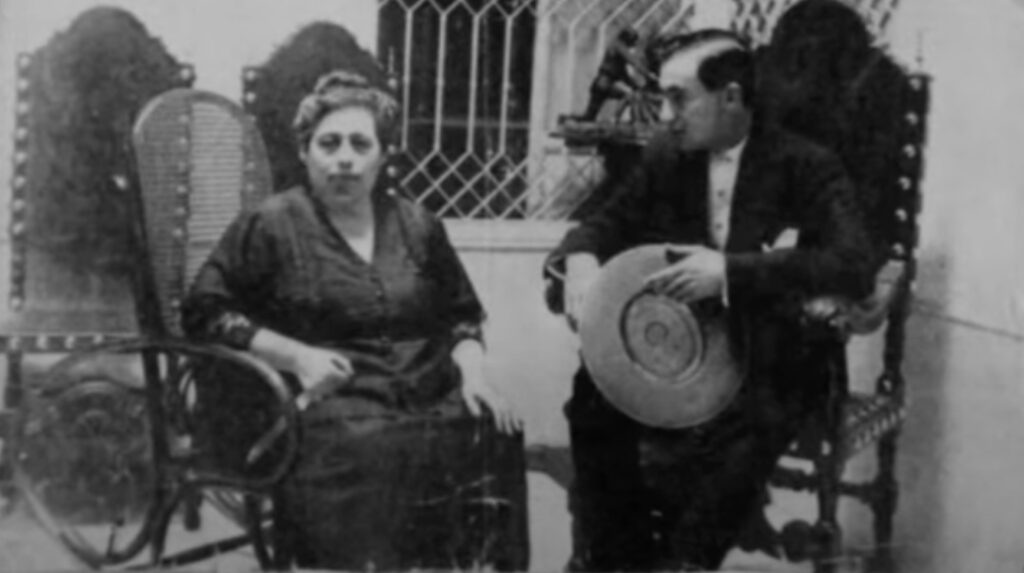
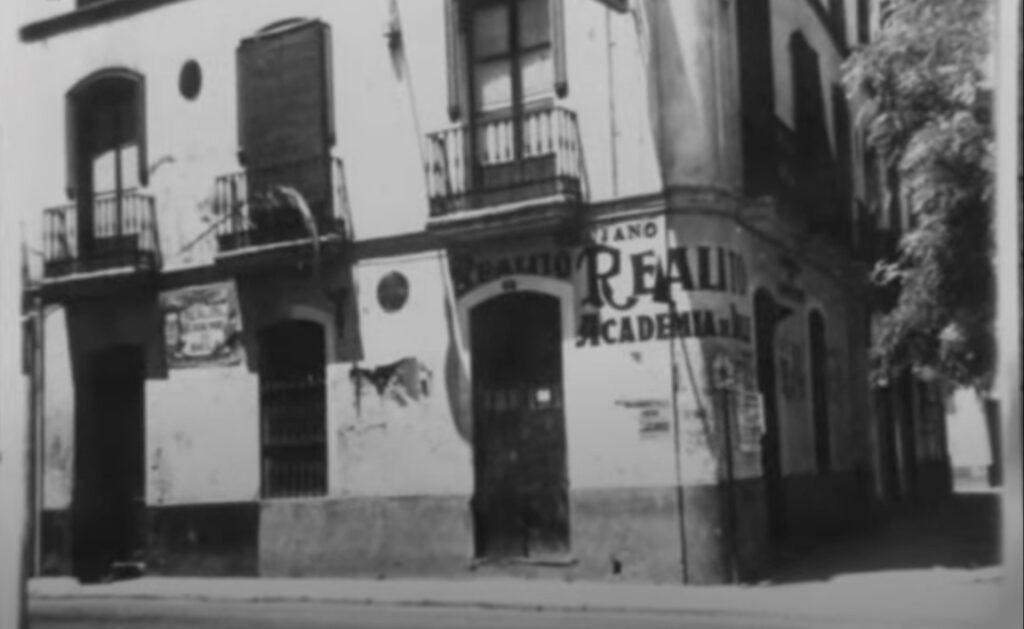
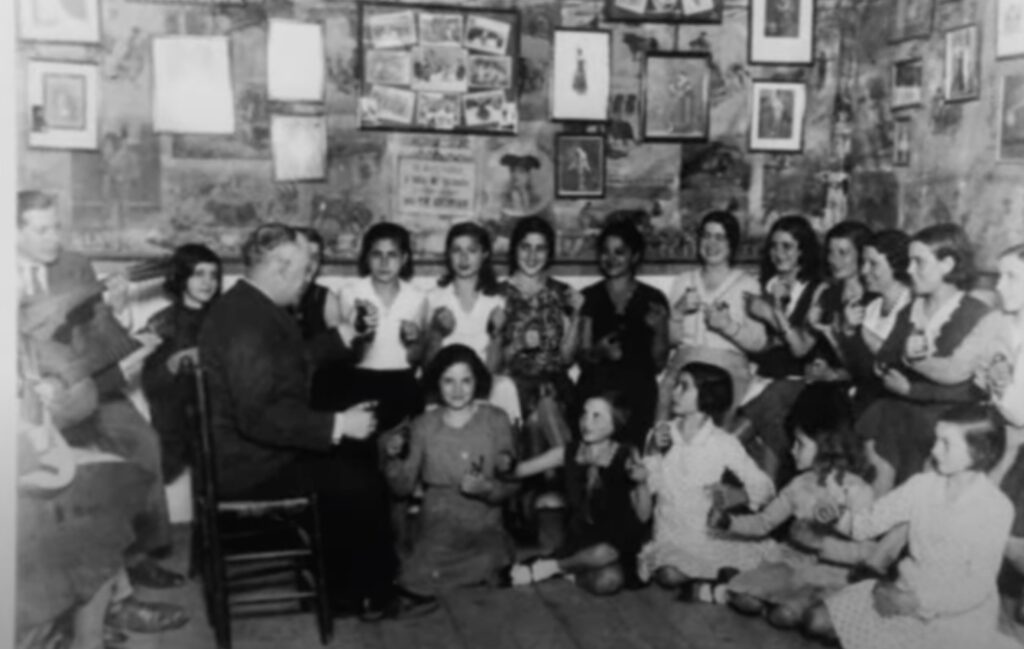
Another mythical place of that time was the dance academy of Antonio “El Maestro Realito”.